
Does My Tenant Impact the Value of My Property?

The short answer is absolutely.
When most people think about commercial real estate value, they focus on the building itself—its location, size, condition, or curb appeal. While those factors certainly matter, income-producing commercial properties are often worth far more because of who occupies them and how the lease is structured.
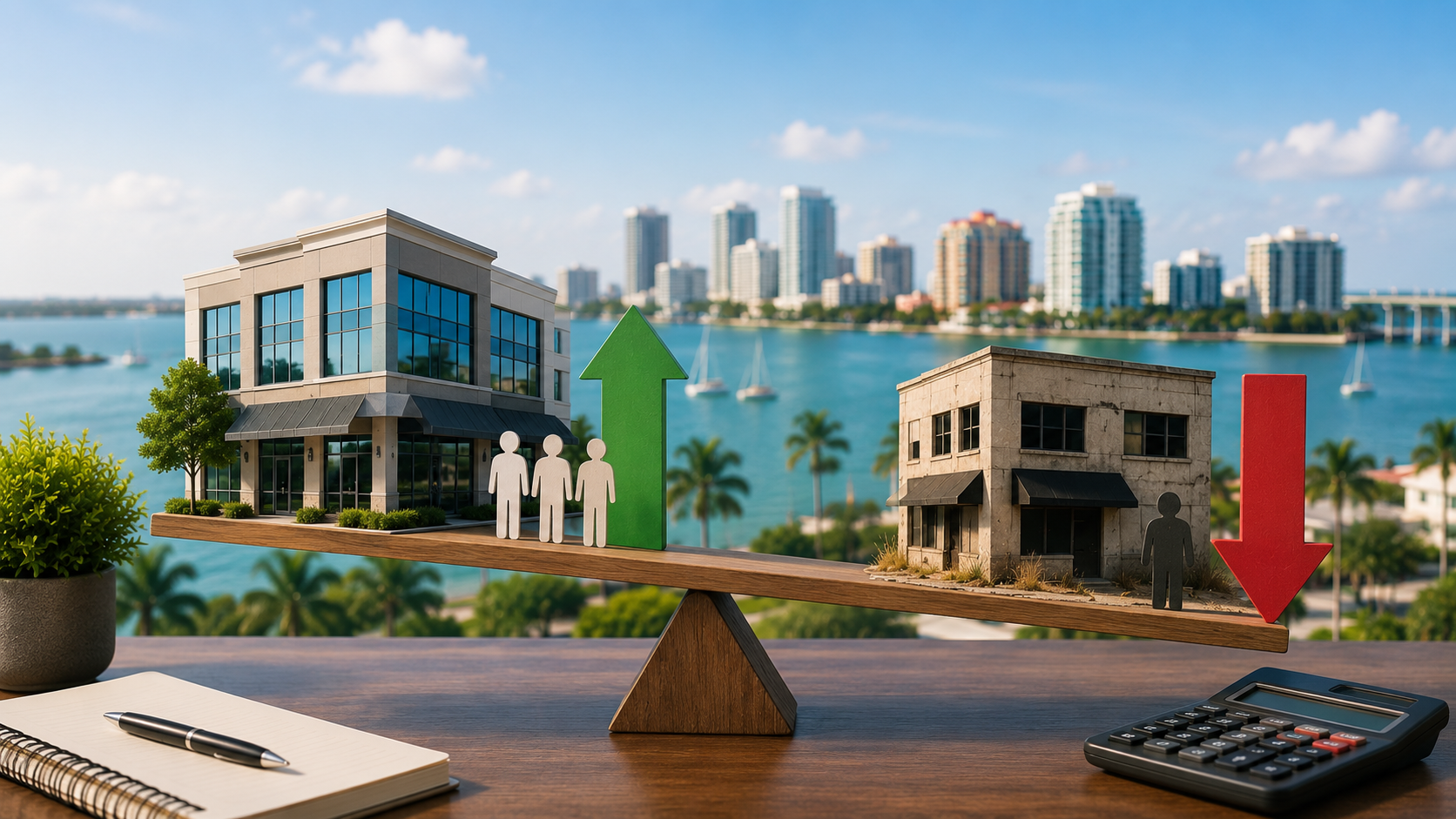
Simply put, a tenant can either enhance the value of a property or significantly reduce it.
A Lease Is More Than Just Rent
When a landlord signs a lease, they are granting a tenant the right to occupy and control the property under the agreed-upon terms. As long as the tenant fulfills their obligations, those lease provisions become one of the primary factors investors evaluate when determining value.
Every lease tells a story.
Questions investors commonly ask include:
- Is the rent at market rates?
- Does the lease include annual rent increases?
- How much time remains on the lease?
- Does the tenant have multiple renewal options?
- Who is responsible for maintenance, insurance, taxes, and repairs?
- Is the tenant financially stable?
The answers to these questions can significantly influence what a buyer is willing to pay.
Income Drives Value
Unlike residential real estate, commercial properties are often valued based on the income they generate.
For example, imagine two nearly identical office buildings located side by side.
One is leased to a financially strong company paying market rent with annual rent increases built into the lease.
The other is leased well below market value with no rent escalations for another ten years.
Although the buildings are physically the same, the first property will likely command a much higher purchase price because it produces greater income and offers better long-term investment potential.
Understanding CAP Rates
One of the most common tools investors use to evaluate commercial property is the capitalization rate, commonly referred to as the CAP rate.
A CAP rate compares a property's annual net operating income to its purchase price. While the calculation itself is straightforward, the concept is important: higher, more reliable income generally supports a higher property value.
Buyers aren't simply purchasing bricks and mortar—they're purchasing an income stream.
A property occupied by a dependable tenant with a well-structured lease often attracts stronger investor interest because the future cash flow is more predictable.
Tenant Quality Matters
The amount of rent collected is only part of the equation.
A tenant's financial strength is equally important.
We've all seen headlines announcing store closures, corporate bankruptcies, or companies downsizing their operations. When something like that happens, landlords can suddenly face months of vacancy, lost income, tenant improvement costs, leasing commissions, and other expenses associated with finding a replacement tenant.
Those risks are factored into a property's value long before they actually occur.
Conversely, a financially stable tenant with a successful business and a long operating history often increases buyer confidence, making the property more attractive in the marketplace.
Lease Structure Can Increase or Decrease Value
Well-written commercial leases help protect both landlords and tenants while preserving the long-term value of the property.
Items that deserve regular attention include:
- Annual rental increases
- Lease expiration dates
- Renewal options
- Maintenance responsibilities
- Insurance requirements
- Default provisions
- Property use restrictions
Even small oversights can become costly over time.
For example, missing a scheduled rent increase or failing to properly document an option period may have a direct impact on a property's future value.
Annual Lease Reviews Are Essential
One of the simplest recommendations I make to property owners is to review every commercial lease at least once each year.
An annual review helps ensure rental increases are being implemented correctly, lease obligations are being met, insurance requirements remain current, and both parties stay in compliance with the agreement.
Waiting until a property is ready to sell is often too late to correct issues that have developed over several years.
Final Thoughts
A commercial property is much more than land and a building. For investors, its value is closely tied to the quality of the tenant and the strength of the lease.
A well-established tenant paying market rent under favorable lease terms can significantly increase a property's value. On the other hand, below-market rents, financially unstable tenants, or poorly structured leases can reduce investor demand and ultimately lower what a buyer is willing to pay.
Whether you're a landlord considering a new lease or an investor evaluating your next acquisition, understanding how tenants influence property value can help you make better long-term decisions.
Posted by Super Admin onEnjoy this blog post? Click here to subscribe for updates
Leave A Comment